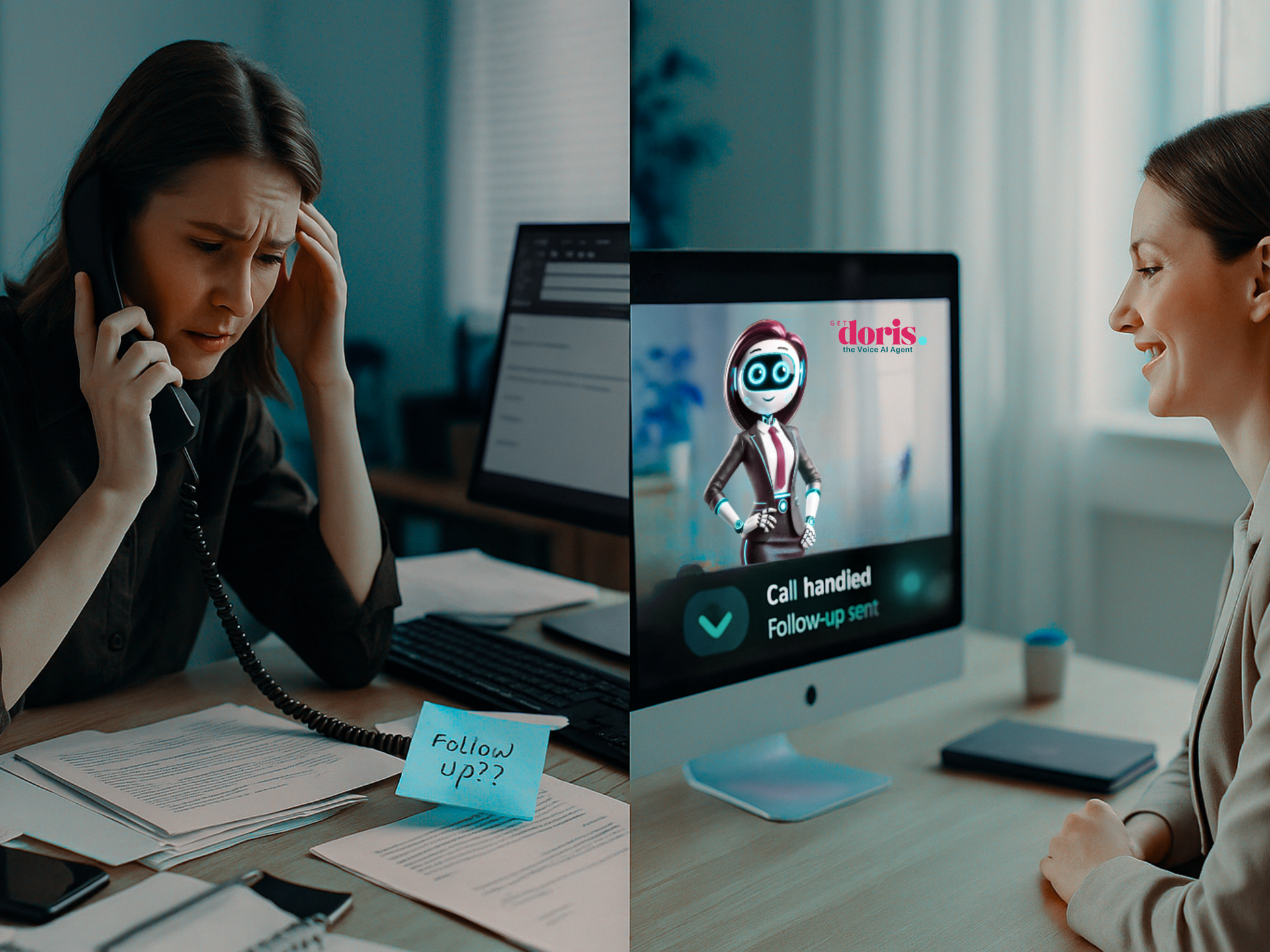
Trust Isn’t Built in the Conversation. It’s Built After It.
Most businesses are pretty good when they're actually talking to someone.
You answer the phone (when you can). You're friendly. You know your stuff. You sound like a real person who cares.
But if you've ever had a customer drift off mid-enquiry, go quiet after you sent a quote, or choose someone else even though you "had a great chat"…
It's usually not because your conversation skills are lacking.
It's because of what happened after the conversation ended.
That's where trust gets built. Or quietly dismantled.
And the weird thing? Most businesses don't even realise they're doing it.
The moment trust actually breaks down
Here's what typically happens:
Someone reaches out. You respond. Maybe you have a good chat, maybe you send a quote, maybe you book something in.
Then life happens. You get busy. They get busy. A day passes.
And suddenly there's this gap where the next step should be.
That gap is where people start filling in blanks.
They don't think, "Oh, they must be busy doing excellent work."
They think:
- "Maybe they forgot."
- "Maybe they're disorganised."
- "Maybe I'm a hassle."
- "Maybe I should try someone else."
Not because they're dramatic. Because they're human.
And here's the thing: you might not even know the gap exists.
From your side, everything's fine. You're planning to call them back after lunch. You've got their details. You're onto it.
From their side? Radio silence. And silence is where trust goes to die.
Why this happens (and why it's not really your fault)
The problem is that businesses treat follow-up like admin, while customers experience it as care.
You're thinking: "I'll get back to them when I have a proper answer."
They're thinking: "Did they get my message?"
You're thinking: "I don't want to bother them until I've got everything sorted."
They're thinking: "Are they going to call me back?"
You're thinking: "They know we're booked in for Tuesday."
They're thinking: "Am I actually booked in or not?"
It's not a communication problem. It's a gap problem.
And the gaps show up everywhere:
- Between enquiry and response
- Between quote sent and follow-up
- Between "I'll call you back" and actually calling back
- Between booking something in and confirming it's locked in
Each gap is a tiny moment where the customer has to wonder if they're being looked after.
And wondering is the opposite of trust.
What people actually need (it's simpler than you think)
People don't mind waiting. They mind not knowing.
Think about it: if you go to a café and they say "it'll be 10 minutes," you don't spiral. You just… wait.
But if nobody says anything and you're standing there like a decorative pot plant? That's when it gets annoying.
Same thing with enquiries.
A simple message like:
- "Got this — we'll be in touch by 3pm."
- "Thanks! Next step is X."
- "We've received your form. Here's what happens now."
…doesn't just "manage expectations."
It tells the customer: you're not floating around in the void. You're in the system.
That feeling — the feeling of being held — is basically the foundation of trust.
And it doesn't require you to be available 24/7 or respond instantly or never make anyone wait.
It just requires clarity about what happens next.
Why reliability beats friendliness (even if you're lovely)
A lot of business owners lean on warmth. And to be clear: warmth matters.
But warmth without reliability can feel… a bit like a friendly ghost.
You pop up, you're delightful, and then you disappear.
Customers don't just remember your tone. They remember patterns.
- Did you reply when you said you would?
- Did you confirm what was booked?
- Did you follow up the quote?
- Did you keep the thread going?
Reliability is what makes friendliness land.
You can be the nicest person in the world, but if someone has to chase you twice for a callback, the warmth stops mattering.
They just remember the chasing.
And the simplest way to create reliability? Standardise the "in-between" moments.
Not with robotic scripts. With consistent responses that sound like you.
Same few touchpoints. Same clarity. Every time.
The place this shows up most: handovers
Let's say someone calls and you can't answer.
Or they message and your team is mid-chaos.
Or you've got a receptionist some days, but not others.
That's normal. The risk isn't that you're not available every second.
The risk is the silence afterwards.
Here's what a bad handover looks like:
- Call missed
- No acknowledgement
- No message
- No next step
- They chase
- They feel annoying
- They go elsewhere
Trust drains out fast.
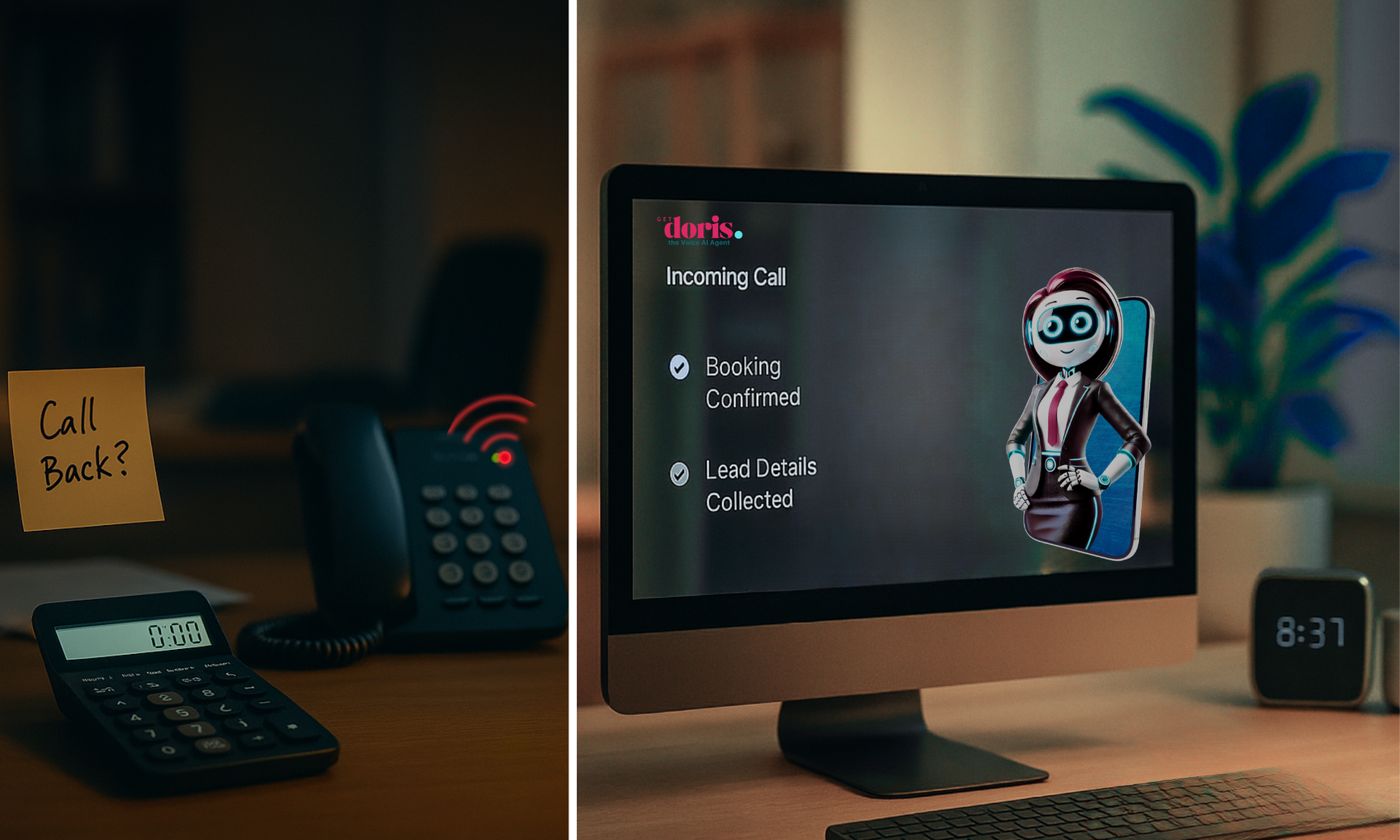
But here's what a good handover looks like:
- Call missed
- Instant text-back: "Hey, we missed you — what can we help with?"
- A couple of simple qualifying questions
- Confirmation of what happens next
- You pick it up when you can
Same missed call. Completely different experience.
At that point, the problem isn't the missed call.
It's the gap between the missed call and the next touchpoint.
And that gap is where most businesses are unknowingly losing people.
What this looks like in practice
You don't need to message people forever.
You just need a few consistent touchpoints that remove uncertainty:
When someone first makes contact: Acknowledge it immediately — even if you can't reply properly yet. "Got this, we'll be in touch by [time]."
When you've had a conversation: Confirm the next step. "Thanks for that — we'll get a quote to you by Friday" or "You're booked in for Tuesday at 10am."
When something's been booked or confirmed: Send a simple confirmation. Doesn't need to be fancy. Just: "Locked in. See you then."
When you can't take a call or message: Hand it over cleanly. Capture the enquiry details so the human who steps in doesn't have to start from scratch.
These aren't big dramatic gestures. They're small, boring-sounding moments.
But they're weirdly emotional.
Because a confirmation text doesn't just confirm an appointment.
It says:
- "We've got you."
- "You're on the list."
- "You don't have to chase."
- "You're safe to stop thinking about this."
That's why follow-up (done well) feels like good service… even when it's automated.
Because the emotional outcome is the same: the customer feels held.
So here's the thing
Your conversation skills are probably fine.
The bit that needs love is the boring stuff. The gaps. The handovers. The "what happens next."
And the good news? Those are the easiest bits to fix.
You don't need to become a full-time follow-up person. You just need a system that keeps the thread warm when you can't.
This is exactly the kind of thing Get Doris is built for: being the front desk layer that handles the gaps — so customers feel looked after even when you're mid-job, and you're not glued to your phone.
If you're not sure where to start: messaging and missed-call text-back first. It's the lowest-effort, highest-trust upgrade for most businesses.
Because trust isn't built in the conversation.
It's built after it.